Miami area startups attracted $832M in VC in Q2, PitchBook reports. We've got the top deals.
I've been tracking South Florida funding rounds for years, and every time a new PitchBook quarter drops, I immediately think about portfolio implications — not just the headlines about "who raised…
Corinne Talbot·updated July 13, 2026
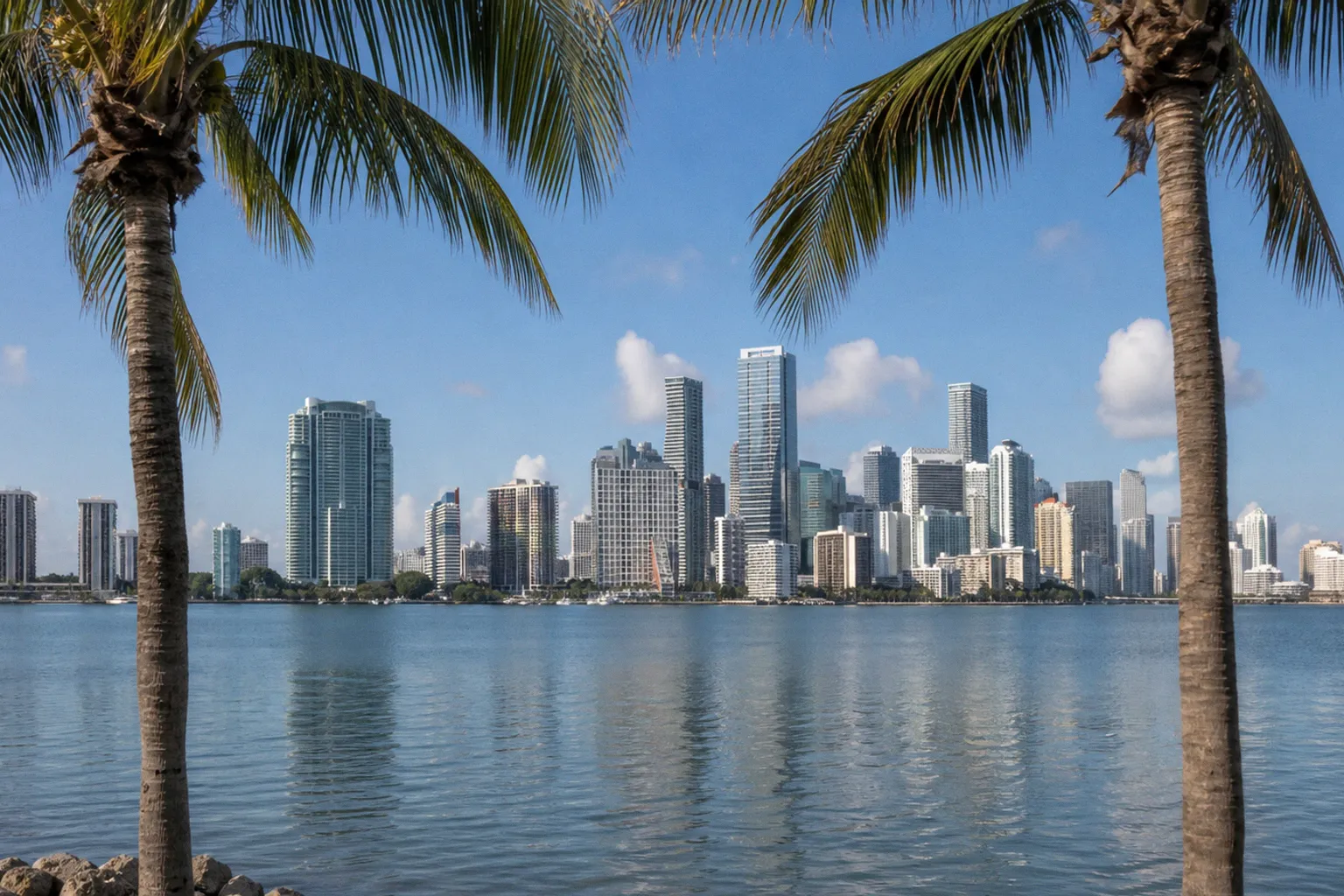
I've been tracking South Florida funding rounds for years, and every time a new PitchBook quarter drops, I immediately think about portfolio implications — not just the headlines about "who raised what," but what those dollars actually mean for the domains sitting in your holding account. Q2 2026 data just came in: Miami metro startups pulled in $832 million across 100 deals, with an average round size of $8.3 million. That's down from Q1's $1.1 billion, but the region still held its spot as a top-five US VC hub by deal count. For anyone holding Miami-adjacent or sector-specific inventory, that's a signal worth unpacking.
Where the money's going — and what it means for your portfolio
The headline here isn't just the dollar figure. It's the sector mix. Q2 brought a trifecta of medtech, fintech, and AI deals, which mirrors what I'm seeing in inbound inquiries across the board. These are verticals where end-user friction is lowest — startups in these spaces know they need credible, brandable domains, and they have the runway to pay for them. If you're sitting on clean.com inventory tied to healthcare tech, fintech infrastructure, or anything AI-adjacent, this is the kind of quarter that moves those assets from "parked" to "sold."
The average deal size of $8.3 million also tells me something about buyer profiles. These aren't scrappy pre-seed teams negotiating $500 domain purchases. They're Series A and B companies with real marketing budgets. That changes the negotiation dynamic entirely — you're dealing with buyers who understand brand equity and can move faster on a five-figure ask.
The lag factor and what PitchBook misses
Here's something I always remind myself: PitchBook data lags. Refresh Miami reported sizable Q2 deals — Interchecks' $50 million, Golden Child's $37 million, Subquadratic's $29 million — that weren't included in PitchBook's initial findings. The real number is almost certainly higher than $832 million. Revisions will come in over the next few months as reporting catches up.
What does this mean for you? Don't anchor your pricing to a single quarter's snapshot. If you're evaluating whether to hold or liquidate Miami-relevant domains, look at the trailing twelve-month trend. South Florida is on track to meet or beat 2025's $4.13 billion haul — the best year since 2022. That sustained capital flow is more meaningful than any single quarter's dip.
Exits are quiet — and that's the real bottleneck
The exit picture is what actually concerns me. PitchBook tracked only six exits for South Florida companies in Q2, none with disclosed values. In Q1, the largest exit was Ostro at $100 million. When exits dry up, it creates a downstream problem: fewer acquired startups means fewer domain portfolio rollups, fewer rebrands, and fewer companies actively hunting for upgrade domains. The VC money is flowing in, but it's not cycling back out through acquisitions at the same pace.
Fundraising is sluggish too — 14 South Florida funds have attracted over $300 million so far this year, roughly matching 2025's total but still trailing 2019–2024 levels significantly.
My take: if you're holding premium Miami or South Florida domains, don't panic-sell into a slow exit market. The capital inflow suggests long-term demand is solid. But if you've been waiting for an exit-driven buying spree, that catalyst isn't here yet. Price accordingly, stay patient, and watch for Q3 fund announcements — that's where the next signal will come from.